The "Barefoot Season" Trap
With the onset of summer in Chicago, increased household activity and frequent transitions between indoor and outdoor environments become common. This seasonal shift results in elevated foot traffic, particularly as residents and guests often walk barefoot indoors.
Although removing shoes at entry points is an established best practice for minimizing particulate soil transfer, the prevalence of barefoot traffic during summer introduces a distinct and often overlooked risk factor for carpet contamination.
To ensure the longevity and appearance of your carpeted surfaces, it is essential to understand the mechanisms by which barefoot traffic contributes to fiber degradation and soiling. The following analysis outlines the primary causes of summer-related carpet damage and provides evidence-based recommendations for effective prevention and maintenance.
The Science of Barefoot Traffic
While visible contaminants such as soil and organic debris are commonly recognized as sources of carpet soiling, the predominant threat during summer months is the accumulation of natural oils from human skin.
Human skin continuously produces sebum and perspiration, with secretion rates increasing in elevated temperatures. Each instance of barefoot contact with carpeted surfaces results in the direct transfer of microscopic lipid residues onto carpet fibers.
The “Sticky Magnet” Effect
Although the initial deposition of skin oils is not visually apparent, these residues rapidly initiate secondary soiling processes within days.
The lipid layer functions as an adhesive substrate, facilitating the rapid accumulation of airborne particulates and fine soil particles that settle or are introduced from exterior sources.
This process results in the formation of visible darkened traffic lanes in high-use areas, a phenomenon that persists despite routine vacuuming. Conventional vacuum cleaners are engineered to remove dry, particulate matter but lack the capacity to disrupt the chemical bonds formed by oily residues. Repeated vacuuming may inadvertently drive contaminants deeper into the carpet pile.
Why Consumer Cleaners Fail
In response to visible soiling, many homeowners utilize over-the-counter carpet cleaning products. However, these formulations frequently deposit surfactant residues that exacerbate soil attraction and retention, accelerating the rate of re-soiling.
Effective removal of lipid-based contaminants requires the application of high-temperature water and specialized emulsifying agents, which exceed the operational capabilities of standard rental carpet cleaning equipment.
Prepping for Summer Entertaining
With increased social gatherings and seasonal events approaching, it is advisable to implement comprehensive carpet maintenance protocols in advance.
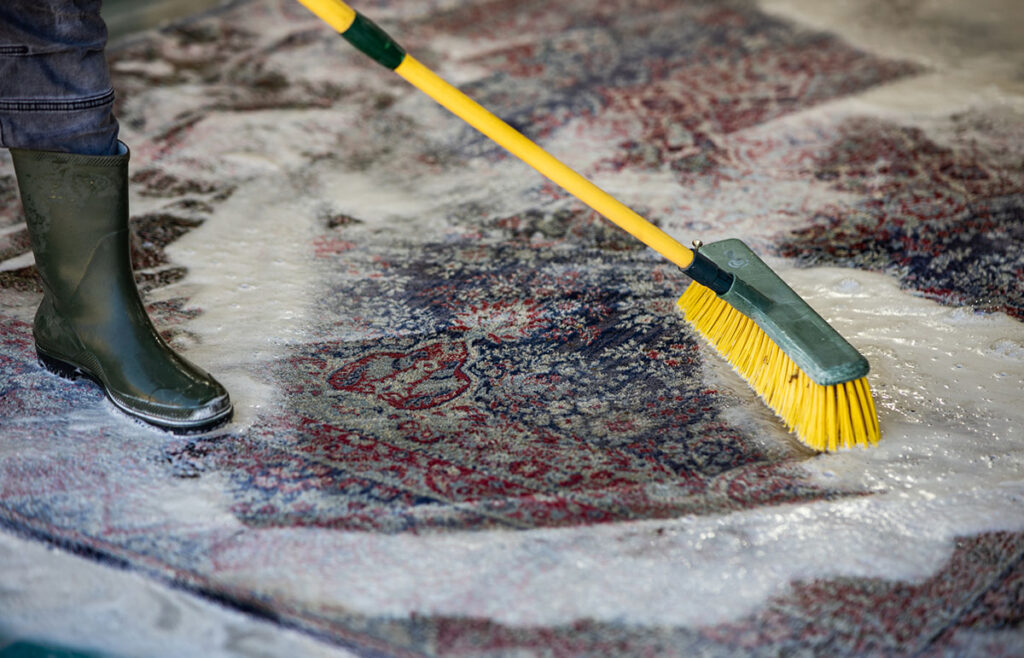
Professional truck-mounted hot water extraction systems utilize precisely controlled high-temperature water and advanced emulsification chemistry to dissolve and remove lipid residues and bonded soils from carpet fibers. This process restores optimal pH balance, fiber softness, and ensures the complete elimination of residual contaminants.
Start the Season with a Clean Slate
Prevent irreversible soiling and fiber degradation by proactively addressing the unique challenges posed by increased barefoot traffic during summer.
Safeguard the integrity and appearance of your carpeted surfaces by scheduling professional maintenance prior to periods of elevated use. Contact Chicago Carpet Care to implement a targeted summer preparation protocol and maintain optimal indoor environmental quality throughout the season.